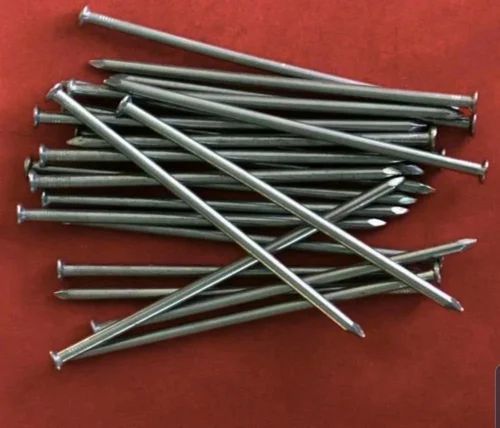
In the world of high-tech electronics and advanced manufacturing, we often celebrate the complex components like microchips and motherboards. However, the humble panel pin and wire terminal play a critical, albeit unsung, role in holding it all together. These small but mighty components are the backbone of countless applications, from your home appliances to sophisticated industrial equipment.
In printed circuit board (PCB) assembly, for example, the precision of a press-fit pin is vital. These pins are designed to be inserted into plated-through holes to create a secure mechanical and electrical connection without the need for soldering . This is where the “panel pin” concept evolves into something more technical, often used as wire-to-board connectors to facilitate the transmission of power and signals . The manufacturing of these pins requires extreme accuracy, often utilizing automated processes to ensure consistency in size and shape .
Beyond electronics, the furniture industry relies heavily on high-quality panel pins for fixing cupboards, wardrobes, and cabinets, providing the strength needed for joinery work . Meanwhile, in the electrical and automotive sectors, insulated wire pin terminals are used for secure connections in panel boxes, motors, and switchgear, offering protection against environmental factors like dust and moisture .
As the world moves toward greater automation, the demand for reliable connecting elements is surging. The industry is seeing innovations such as smart insertion systems and high-density connector designs to keep pace with the trends of miniaturization and digital intelligence . This shift highlights that whether it’s a simple nail for wood or a complex connector for a server, the manufacturing standards for these essential items must be consistently high to keep our modern world running .