The wire and pin manufacturing industry is currently navigating a complex landscape shaped by rapid technological advancement and significant geopolitical changes. For businesses that rely on these components—from construction to electronics—understanding these shifts is key to future success. Manufacturers must now adapt to a market where supply chain resilience is just as important as product quality.
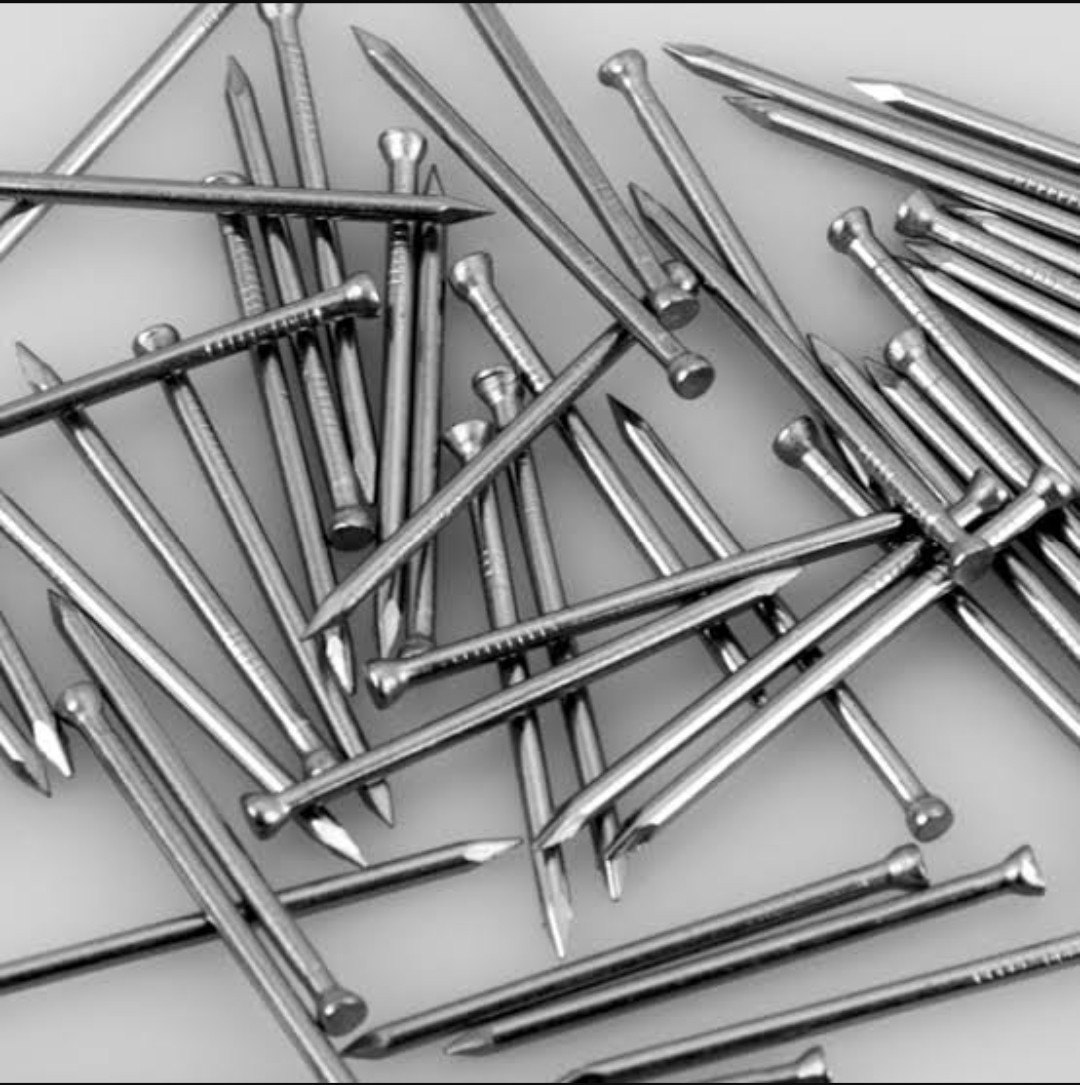
One of the most pressing issues is the changing trade environment. Tariffs introduced in 2025 have impacted the cost of imported metals, plastics, and plating materials, directly affecting the pricing of components like wire nails and connector pins . Consequently, companies are reconsidering their sourcing strategies, moving toward near-shoring or diversifying their supplier base to mitigate risks and reduce reliance on specific Asian supply chains . This has also sparked a push for local tooling production and innovation in durable, cost-efficient connector designs.
Simultaneously, the demand for more sophisticated products is growing. The market is seeing a trend toward the adoption of intelligent high-density connectors and automated manufacturing for precision parts . This is driven by the rising number of data centers and the expansion of electric mobility, which require reliable, high-performance interconnect solutions . For the manufacturer, this means investing in advanced material research and automated quality control systems to meet the stringent requirements of the automotive and telecommunications sectors.
As we look forward to 2030, the industry is expected to grow steadily . This growth will be underpinned by continuous monitoring of material advancements and a commitment to digital traceability. Ultimately, the winners in this space will be those who can balance cost-effectiveness with innovation, ensuring their products meet the challenges of a connected, electrified, and ever-changing global market.