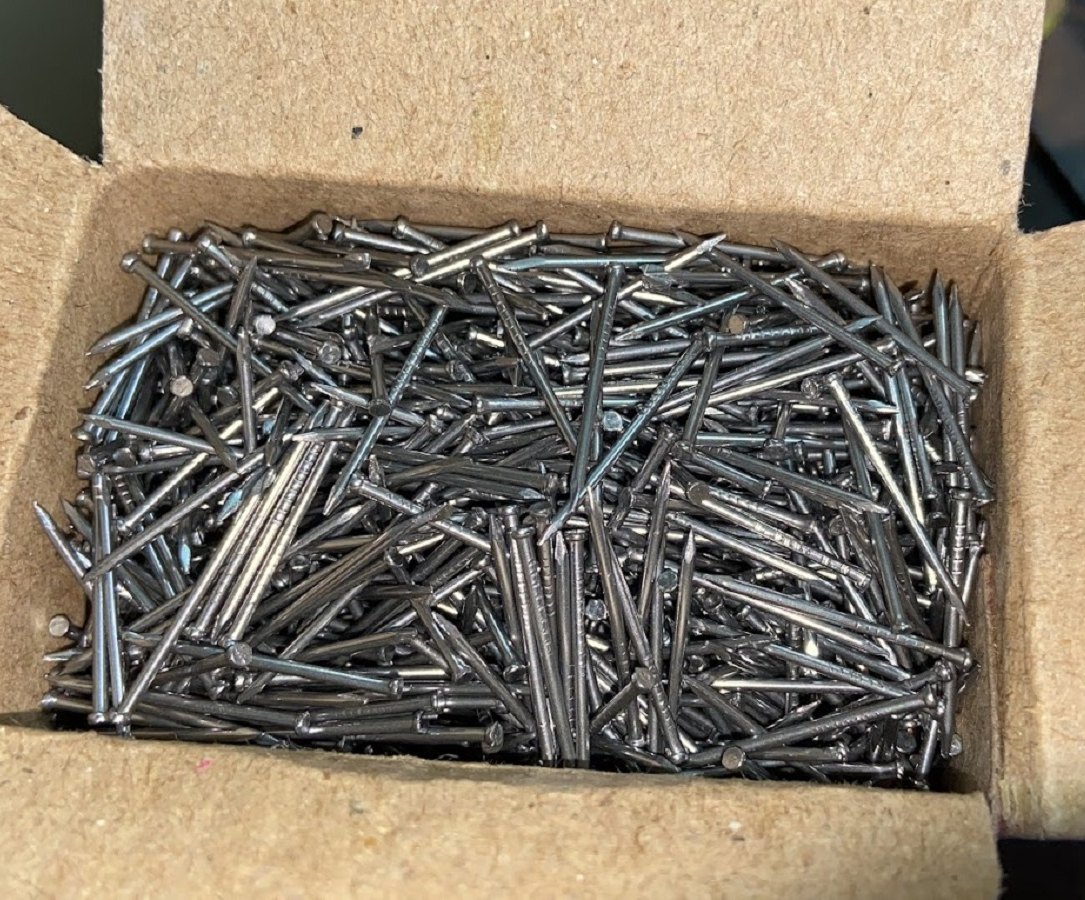
When you pick up a simple panel pin, it’s easy to overlook the engineering and material science that went into its creation. However, for a manufacturer, the journey of that pin begins long before it reaches the machinery. It starts with the selection of raw materials—a decision that directly impacts the pin’s strength, durability, and ultimately, the reputation of the company.
For a leading wire panel pin manufacturer, the quality of the wire rod is non-negotiable. The best panel pins are made from premium materials, such as high-grade steel wire, to ensure they can withstand the stress of application without bending or breaking . Whether it’s a mild steel panel pin for general woodworking or a stainless steel variant for corrosion-resistant applications, the base material defines the product’s integrity. Manufacturers often source this wire from trusted vendors to maintain a consistent standard. For instance, using wire from established brands like Tata for premium pins ensures a level of reliability that customers, particularly in the furniture and cabinet-making sectors, have come to trust .
The manufacturing process then transforms this high-quality wire into finished pins. The machinery used for cold-forming must be precise to create the necessary geometry for a secure fit, especially for applications where the pin acts as a press-fit terminal or a connector pin . This is where the cold-forming process ensures that the pin retains the strength of the original wire without losing integrity at the stress points. The result is a product that offers not just a secure hold but also resistance to corrosion, high strength, and long service life .
From automotive components requiring robust fastening to delicate wooden furniture requiring precision without splitting, the role of premium raw materials is paramount. Partnering with a manufacturer that prioritizes quality from the ground up ensures that every nail and pin performs exactly as it should, on time and every time .